
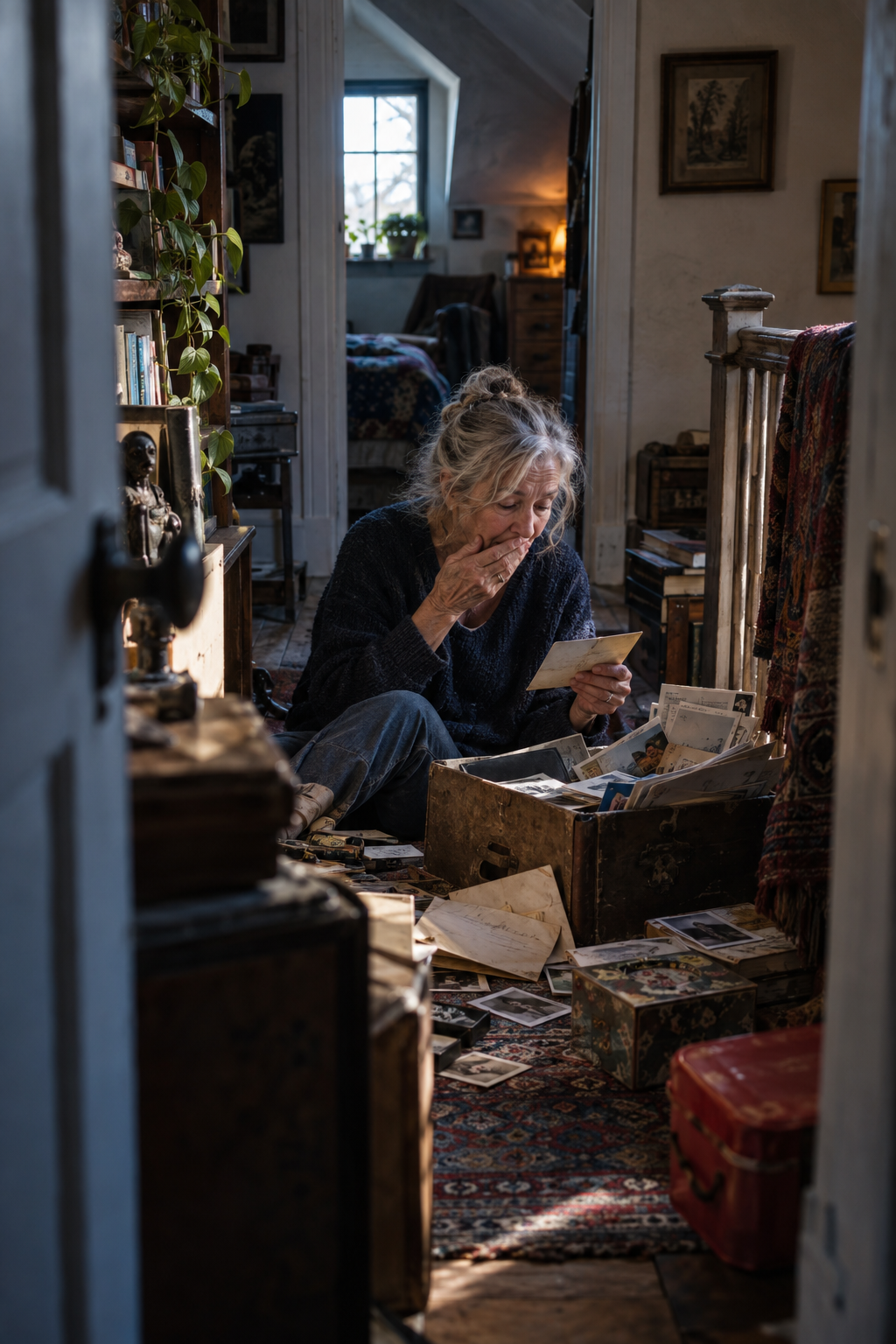
A family archive is not a perfect museum catalogue. It is a usable collection that lets the people you love find what matters. Start with a small collection, give it enough context, and make sure it can be carried somewhere safe.
Start with one person or one box
Do not begin by promising to digitise every family photograph. Choose one person, one event, one house, or one small box. Finish that piece before expanding.
Gather original files where possible. Scan photographs and documents, but do not throw away physical originals merely because you have made a digital copy.
Use a naming system your family can read
Use plain filenames such as `1994-06-15_Grandma-June_Garden-party.jpg`. A folder per person or story is often easier to navigate than a complicated database.
Create a short index document with names, dates, places, and the story behind key items. A future relative should not need to know your software to find their way around.
Give every item a little context
The most valuable metadata is usually human: who is pictured, where it happened, why it mattered, who supplied the image, and whether anyone asked for privacy. Add it while people can still answer.
Group related items into small stories: a recording of a wedding memory, the photographs from that day, a scanned invitation, and a paragraph explaining who was there.
Plan the handoff
Make at least two copies and tell someone else where they are. Include a simple read-me file, not only a cloud login. Update the archive at meaningful intervals rather than letting it become an enormous annual chore.
Golden Record’s proposed Ever Archive is designed around this same principle: original files, clear context, and a portable package a family can keep without depending on a single service.
Questions people ask
What belongs in a family archive?
Start with photos, recordings, letters, documents, recipes, and short notes explaining the people and occasions behind them.
How do I organise old family photos?
Work in small groups, keep originals, name files clearly, record who and where, and make more than one copy after each batch.
Sources and guidance
We use practical guidance from oral-history and digital-preservation organisations when creating these resources. These links are a good next step for anyone creating a more formal public or archival project.