
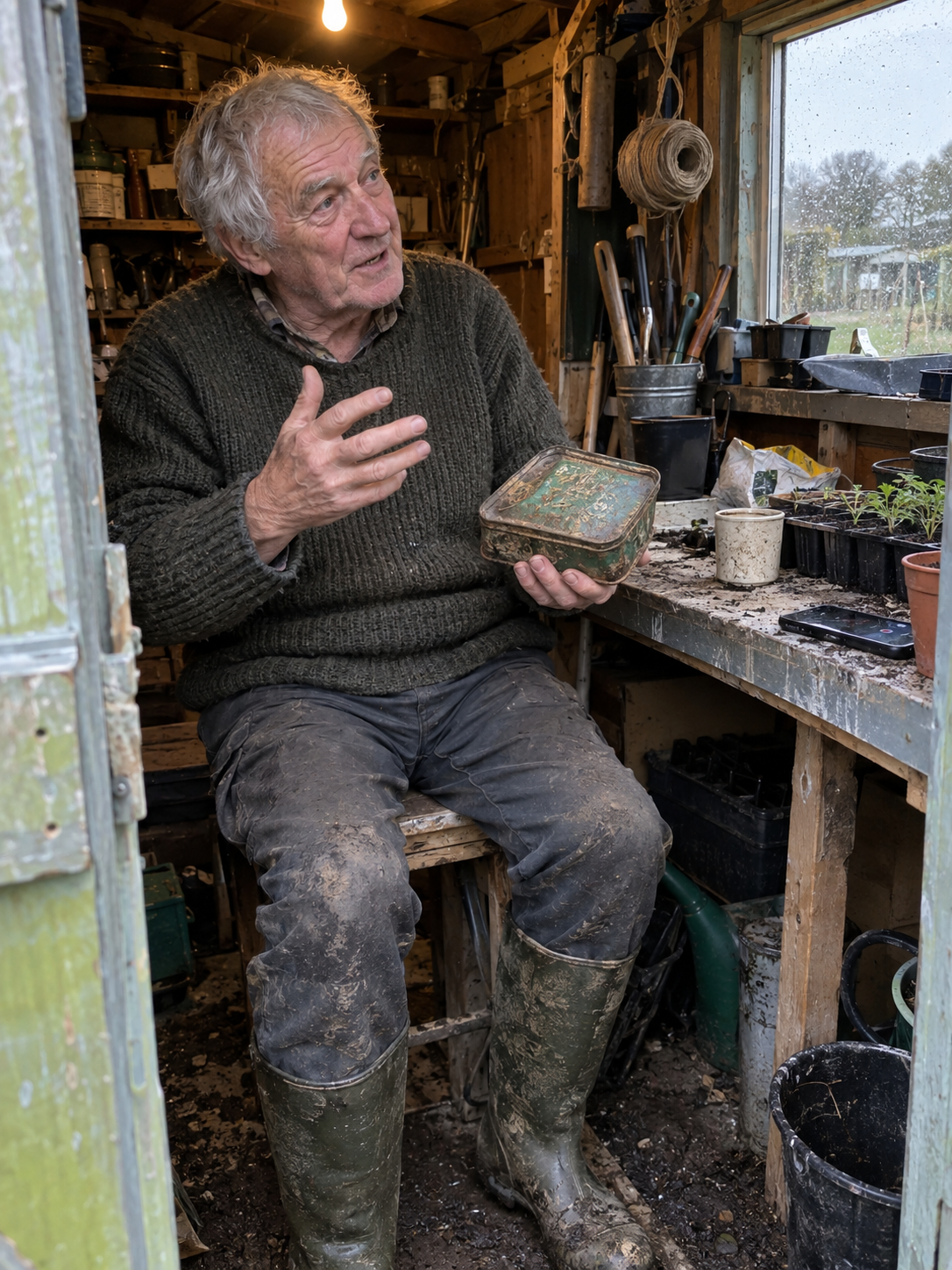
The best family interviews rarely feel like interviews. They feel like the kind of conversation that makes someone say, ‘I haven’t thought about that in years.’ The aim is not to capture every fact in one sitting; it is to make enough room for a person to remember in their own way.
Start with permission, not a microphone
Tell your parent why you want to do this before you press record. ‘I love hearing your stories and I’d like our family to have them’ is a far better opening than a surprise phone held between you.
Agree what will happen to the recording. Will it stay private? Can siblings hear it? Would they like to listen back before anyone else does? A person can always skip a question, pause, or ask for something to stay off the record.
Make the first session small
Choose one ordinary subject—first jobs, the house they grew up in, a favourite meal, or the music they loved at twenty. Forty good minutes is more valuable than a heroic three-hour session.
Bring a photograph, recipe card, ticket stub, or object if you can. Specific things unlock specific memories. Let silence do some work too; people often remember more after a pause.
- Pick a quiet, familiar place.
- Test the recorder before you begin.
- Ask one question at a time.
- Follow an interesting thread rather than racing through a list.
Ask for scenes, not summaries
‘What was your childhood like?’ can be hard to answer. ‘What could you see from your bedroom window?’ gives someone somewhere to stand. Ask for a moment, a person, a smell, a sound, or a decision.
When something matters, invite more detail: ‘What happened next?’, ‘How did that feel at the time?’, or ‘What do you remember most clearly?’ Avoid correcting a memory while it is being told. Facts can be checked later; the texture of the telling cannot be recreated.
End while there is still energy
Close with something warm: ‘What would you like your grandchildren to know about you?’ or ‘What are you proud of that people may not realise?’ Thank them, name one thing you loved hearing, and agree whether there will be another conversation.
Afterwards, save the original recording, add a date and a few notes, and make a second copy. The Oral History Association recommends clarity about purpose and access, informed consent, and an opportunity for narrators to review material before public release.
Questions to begin with
- What do you remember about the home you grew up in?
- Who made you feel understood when you were young?
- What did a perfect Saturday look like when you were a child?
- Tell me about the first money you earned.
- Which family saying do you still hear in your head?
- What choice changed the direction of your life?
- What do you wish you had asked your own parents?
- What would you like us to carry forward?
Questions people ask
How long should an interview with a parent be?
Plan for 30 to 60 minutes. Stop sooner if they are tired, and return to one theme another day.
Should I send questions in advance?
For reflective or sensitive topics, yes. A short list gives your parent time to decide what they want to share.
Sources and guidance
We use practical guidance from oral-history and digital-preservation organisations when creating these resources. These links are a good next step for anyone creating a more formal public or archival project.